Funding for new builds, conversions, and refurbishments — structured around your project, budget, and exit, with our advisers matching your scheme to the right specialist lenders and managing drawdowns through to completion.
Mortgages for Development Finance
Development finance funds the build, not the borrower. It's structured around your project plan, your budget, and a credible exit — with capital typically released in stages as the works progress. From ground-up new builds and conversions to heavy refurbishments, it's designed for schemes where the value is created during construction.
Our advisers translate your scheme into a lender-ready proposal, match it to the right specialist providers, and manage drawdowns, monitoring, and exit so you can stay focused on delivery.
Ways to use development finance
Most schemes fall into one of four project types. Pick the route that matches what you're building to see how the funding, drawdowns, and exit tend to work in practice.
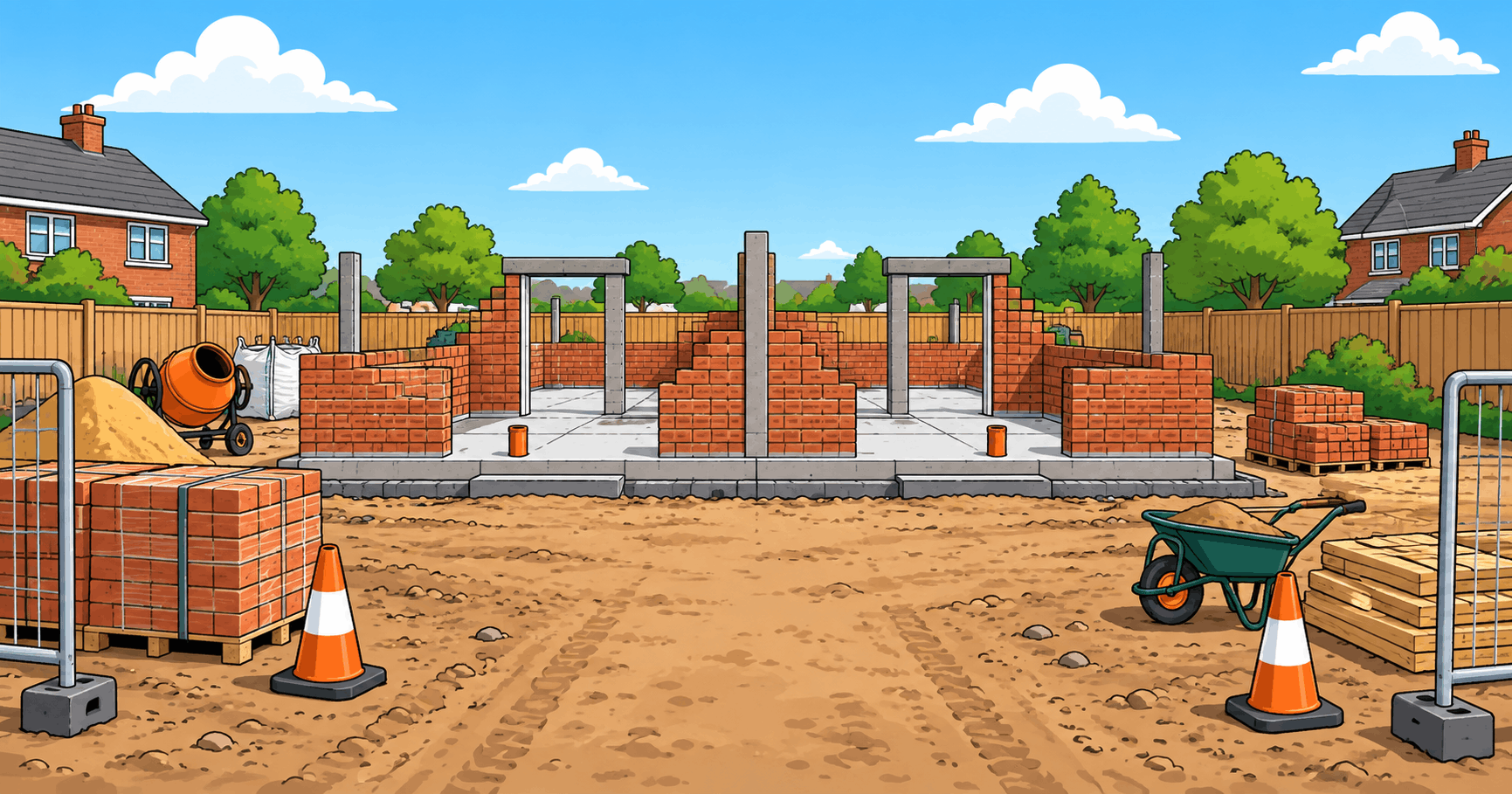
Finance for individuals building their own home — stage-payment structures, Help to Build equity loan interaction, and refinancing onto a standard mortgage once the property is complete.
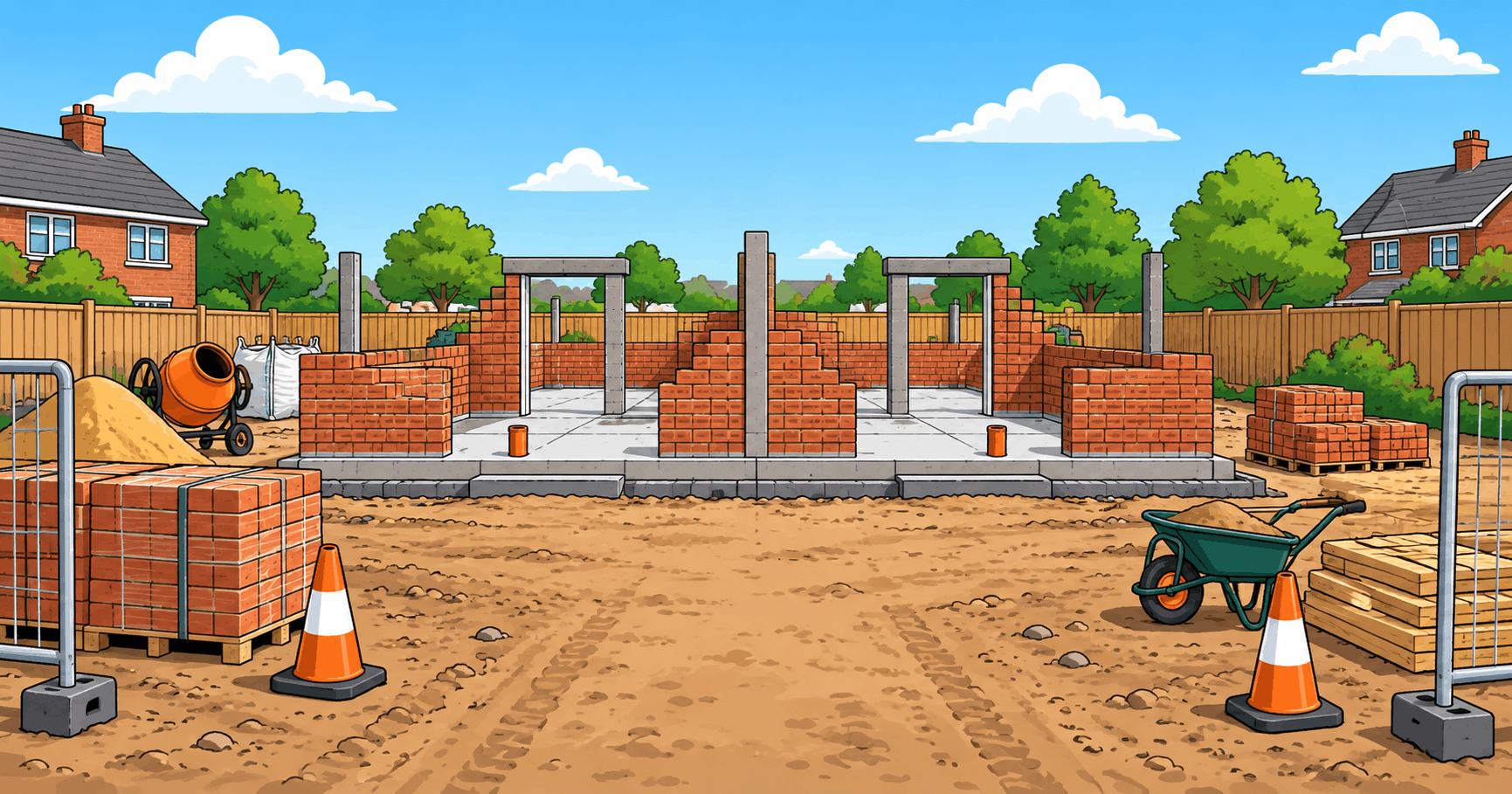
Funding to build or refurbish property for the rental market — single units, multi-let, and small portfolio schemes, with a refinance or sale exit on completion.

Funding for residential new builds and smaller development schemes — single plots through to multi-unit estates, with staged drawdowns tied to build milestones.

Development finance for commercial and mixed-use schemes — change-of-use conversions and commercial new builds where the exit depends on letting, selling, or refinancing the completed asset.
How our development finance service works
Tell Us About You
Share the details of your situation by completing a quick 60-second form. It takes just a minute and won't affect your credit score.
Mortgage Match
We search across more than 100 lenders — including exclusive deals only available through specialist brokers — to find the right mortgage for you.
Meet your Expert
We pair you with your dedicated mortgage adviser. They'll manage everything from start to finish while you track progress anytime in your personal customer portal. No chasing, no messy paperwork.
Our wider lender panel
The logos below show our wider lender panel. For your development project, we identify specialist providers whose criteria fit your scheme, funding requirements and exit plan.









































































Explore our development finance resources
Guides, case studies, FAQs, and the latest market updates — all in one place.
A practical development finance FAQ covering common questions from home-buyers, buy-to-let investors and developers considering property development funding.
Real development finance projects we've helped fund — scheme details, lender approaches, and how the structure worked in practice.

Development finance market updates — lender criteria changes, funding trends, and what they mean for active and prospective borrowers.
Browse our development finance guides: how development finance works, project budgets and drawdowns, how lenders assess projects, experience and exit routes, and how it compares with bridging and term lending - from self-build and conversions to multi-unit developments.
Development Finance Guides

What a schedule of works records for a property renovation, and how lenders use it before funding and when refinancing.
An educational guide to bridging finance and development finance, including key differences, typical costs, common scenarios, and how bridge-to-let and commercial projects can fit into a wider property plan.

Learn how auction bridging finance supports fast property purchases, how repayment typically works, what lenders look for, and the key risks and costs to plan for.

A practical guide to land bridging loans for developers and commercial borrowers, how they work, typical costs, timeframes, and the exit strategy lenders look for.

Understand what a land mortgage is, the main types (self-build, agricultural, woodland and commercial development), and the key factors lenders consider: deposit/LTV, planning permission, business plans and affordability.

A guide to the closed Help to Build equity loan scheme and how it worked alongside self-build mortgages, including staged construction funding and the transition to long-term repayment.

A practical guide to self-build mortgages, including how lending is structured, what lenders typically look for, deposit and LTV expectations, how stage payments and inspections work, and how to find the most competitive rates.
A clear overview of closed bridging loans, what they are, how they work, common scenarios, typical repayment structures, and the key risks to consider.
An educational guide to bridging finance for property developers, covering common use cases, typical features, exit strategies, the project lifecycle from bridging to exit finance, and practical considerations when timing and momentum matter.
Ready to talk through your project?
Tell us what you're building, the budget, and where you are in the process. One of our advisers will come back with clear, no-pressure guidance on the most suitable funding route — and what to prepare before you apply.
Get in touch
We are your online mortgage broker, offering you the convenience of applying for a mortgage online. However, we understand that sometimes you may prefer to speak with a human - phone, email or in person.
- Phone number
- 01133 205 902
- [email protected]
- Postal address
-
31 Bradford Chamber Business Park,
New Lane, Bradford, BD4 8BX
Looking for a career in Mortgage Advice? View job openings.
We are authorised and regulated by the Financial Conduct Authority (No. 919921). The Financial Conduct Authority does not regulate most Buy to Let mortgages.
Think carefully before securing other debts against your home. Your home may be repossessed if you do not keep up repayments on your mortgage.
Our initial consultation is free. If you choose to proceed, we’ll explain any broker fees upfront before you commit.
Cyborg Finance Limited is registered in England and Wales (No. 12131863) at Bradford Chamber, New Lane, Bradford, BD4 8BX.